





History of 5-Axis Machining
History of 5-Axis Machining
2026-04-01
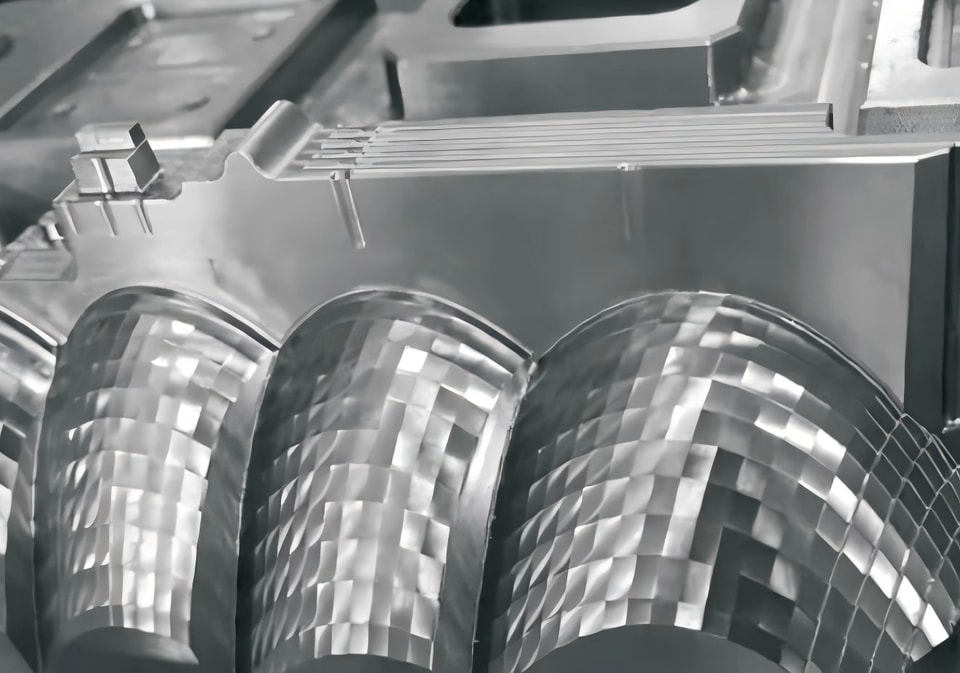
The first numerical control (NC) machine was built in the 1940s, operated by punched tape. It was developed by John T. Parsons and Frank Stulen of Traverse City, Michigan. Parsons, who owned Parsons Corp., first conceived the idea while researching helicopter parts that required specific, complex structures. Stulen even received the National Medal of Technology and Innovation in 1985 for his work on the machine.
In the following years, additional features of NC technology and computer control were integrated. NC machines rapidly evolved into CNC (Computer Numerical Control) machines, which became so popular that numerous programming languages were created and required standardization. G-code is the programming language commonly used today.
Post-processing systems represented another major advancement. CAD programs generate designs that CAM software translates into toolpaths and machine movements. A post-processor converts CAM output into code readable by the specific machine in use. In short, post-processors convert data from CAM systems into G-code that CNC machines can interpret. This development allowed CAM designs to be compatible with any required machine, enhancing the versatility and usability of the entire workflow.
As computer prices dropped in the 1960s and 1970s, CNC machines became increasingly affordable. Today, 5-axis machine tools are no longer exclusive to top-tier enterprises. Advanced CAM systems also enable less experienced operators to run the machines, making them accessible to non-specialists. Combined with the elimination of manual workpiece repositioning, labor management became far simpler. Improved automation and production quality have driven more companies to adopt CNC machines.
As for multi-axis machines, their increased complexity meant it took far longer for them to become affordable. They were once primarily found only at large aerospace companies with the budget and expertise to develop custom projects. Today, multi-axis machines are a common sight in any workshop.
This is a relatively recent development. It was not until 2009 that 5-axis machine tools were officially added to the U.S. Department of Defense's Commerce Control List. The DoD classified them as advanced technology with national security implications, subjecting their exports to strict regulation.
CONTACT US
ADDRESS:No. 97, Sanxiang Road, Development Zone,Kunshan City,Jiangsu Province
Tel: +86 13912656699
Email:skeye@skeye-zz.com
ABOUT US

We specialize in the manufacturing of high-precision machining equipment, including 5-axis machining centers, vertical/horizontal/
gantry machining centers, graphite electrode precision machining centers, engraving & milling machines, and high-speed engraving machines.
NAVIGATION